
Immigration: Are we thinking different things?
This article was written by Jonathan Gibson, Policy Fellow 24-25, and originally appeared in Europinion.
“With a general election fast approaching, immigration is sure to remain high on the policy agenda. Pledges to ‘stop the boats’ and ‘secure our borders’ are sure to raise the eyebrows of voters, as the fiery debates regarding Rwanda and refugees have certainly raised the hackles of many across the House.
Yet misperceptions and miscommunications have led to ineffective democratic procedures, stifling the debate and preventing effective communication between politicians and the public.”

Know thy Enemy: Understanding China’s worldview
This article was written by Eleonora Guaschi, Policy Fellow 23-24, and originally appeared in Modern Diplomacy.
“With the rise of China have come questions surrounding the intentions of the Dragon. As Beijing becomes more assertive in the South China Sea, many question whether China’s foreign policy is compatible with the rules-based international order. Why does Beijing seemingly ignore shared understandings of state sovereignty and territorial claims? Our current order is defined by Westphalian sovereignty, which stresses mutual recognition of territorial inviolability as granted by international law. Sun Tzu famously warned to ‘know thy enemy’.”

How South Africa’s 2024 Election could mark the end of the ANC’s 30-year dominance
This article was written by Matthew Brooker, Policy Fellow 23-24, and originally appeared in Modern Diplomacy.
“Politics and government in South Africa have been a one-party affair since 1994; the ANC has held majorities in both houses of Parliament for the past 30 years.”
What’s behind Turkey’s tilt to Hamas?
This article was written by Maximillian Kanter, Policy Fellow 23-24, and originally appeared in The Times of Israel.
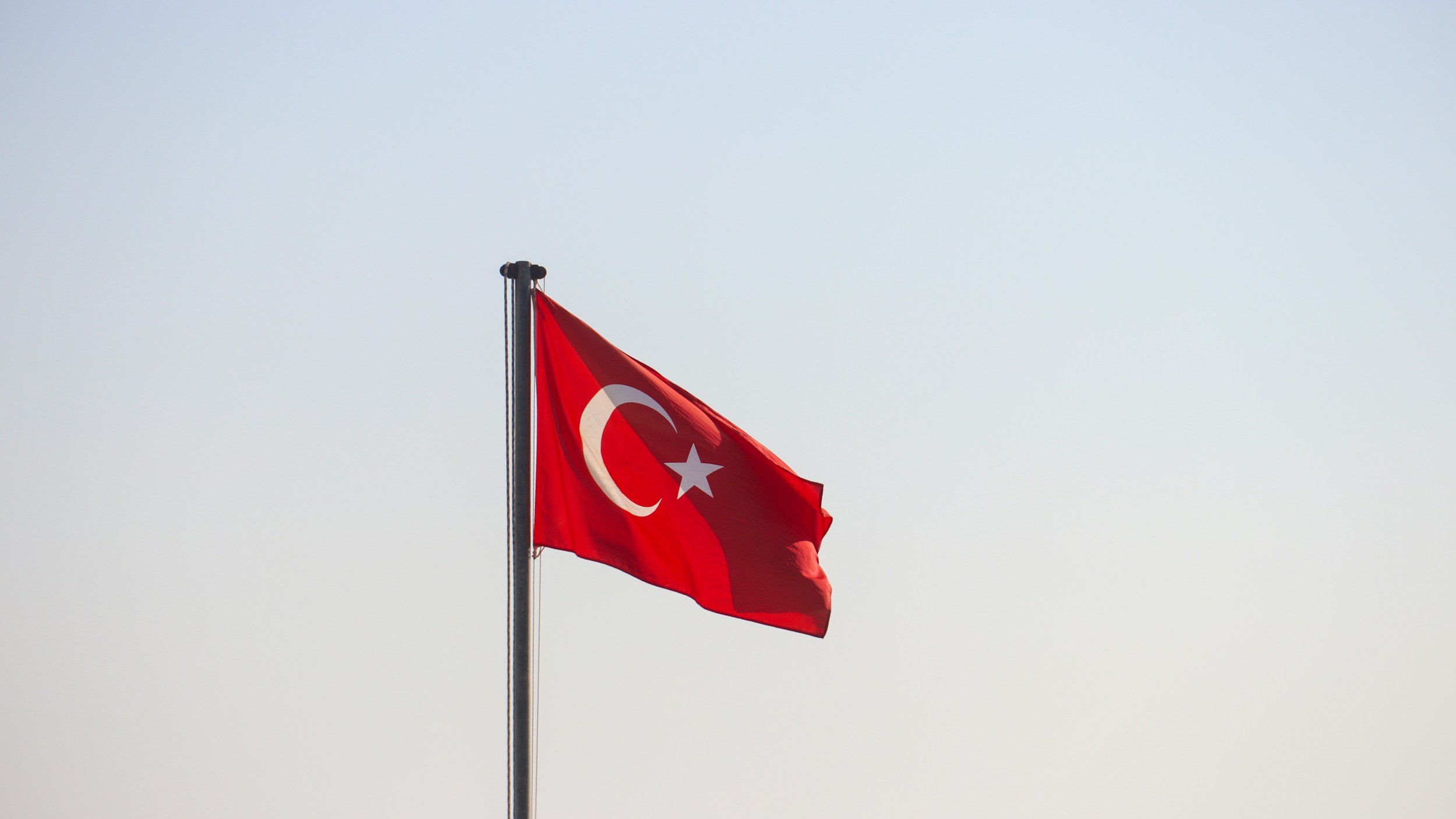
“Turkey’s Recep Tayyip Erdogan has emerged as one of the most vociferous critics of Israel’s military response to the October 7 atrocities. Such bellicose anti-Israel rhetoric marks a decisive shift from Ankara’s long-standing rapport with Jerusalem. Indeed, Turkey was the first Muslim-majority nation to recognize the fledgling Jewish state as early as 1949, and the two countries enjoyed a robust partnership for decades. What, then, explains Erdogan’s latest tirades?”

What Britain can learn from the UAE’s ambitious artificial intelligence policy
This article was written by Matthew Brooker, Policy Fellow 23-24, and originally appeared in Reaction.
“The UK should follow the UAE’s lead in allowing a select group of AI companies to access the NHS’s wealth of data to train their models. The only way AI is going to bridge the gap from quirky consumer applications to transformative technology in the health service is by giving models relevant training data. Given the large number of AI applications within healthcare, the NHS has no chance (or funding) to realise the full potential of AI without the private sector. The government just needs to allow the private sector access to innovate.”

Biden’s grand strategy for the Middle East
This article was written by Baran Ayguven, Policy Fellow 23-24, and originally appeared in The Times of Israel.
“The Biden administration has been avoiding any bold moves or significant changes to its earlier grand strategy. The administration’s failure to respond to changing dynamics and the failed results of their earlier policies need to be comprehended faster, as extended non-reaction has only led to a growth in tensions in the region. Biden needs a new grand strategy and a foreign policy rhetoric that is more adaptable to changes and focuses more on solving issues rather than trying to engage in short-term political manoeuvres.”

Ministers must do more to combat Chinese influence on British campuses
This article was written by Calista Toner, Policy Fellow 23-24, and originally appeared in ConservativeHome.
“The use of such soft power is not inherently good or bad. It is a tool, used by many countries across the world. American cinema, the British Royal Family, French wine and cheese, and even Eurovision all increase the stature of their respective home countries in the global community.
However, some malign actors can manipulate this tool to their own ends, with serious consequences. A perfect example of this unhappier trend is China.”

The Israel-Palestine Dilemma: UK Universities at the Crossroads of Dialogue and Dissent
This article was written by Blerton Gerguri, Policy Fellow 23-24, and was originally published by the Pinsker Centre.
“Geopolitics, identity, and human rights in the Middle East have been loudly discussed topics on UK university campuses in recent years. At the heart of many such heated debates lies the ongoing conflict between Israel and Palestine, a subject that transcends geographical boundaries to find fervent echo in the intellectual arenas of the UK.”

The Fallen Eagle: Assessing lasting damage to US global leadership after 2024
This article was written by Jack Twyman, Policy Fellow 23-24, and originally appeared in the Times of Israel.
“The Western world is apprehensive as it looks towards the US Presidential election in November this year. The election shows the deep crisis pervading politics in the country regarded as the leader of the free world and makes it clear that US democracy is fundamentally broken. We have the two oldest candidates in the history of the Western world, neither of whom is certain to serve their full term.”

The government’s new mortgage plan is misguided. Only building more houses will nip the housing crisis in the bud.
This article was written by Lucas Blasco Argullós, Policy Fellow 23-24, and originally appeared in PricedOut.
“For decades, the dream of home ownership was not merely an aspiration but a tangible and reachable goal. However, it is being put increasingly out of reach by a planning system that prevents homes from being built, and by political leaders championing short-term political goals rather than long-term sustainable solutions to the housing crisis.”
Those Left Behind: How Mainstream Parties Can Prevent an Explosion of Populism
This article was written by Jonathan Gibson, Policy Fellow 23-24, and originally appeared in Europinion.
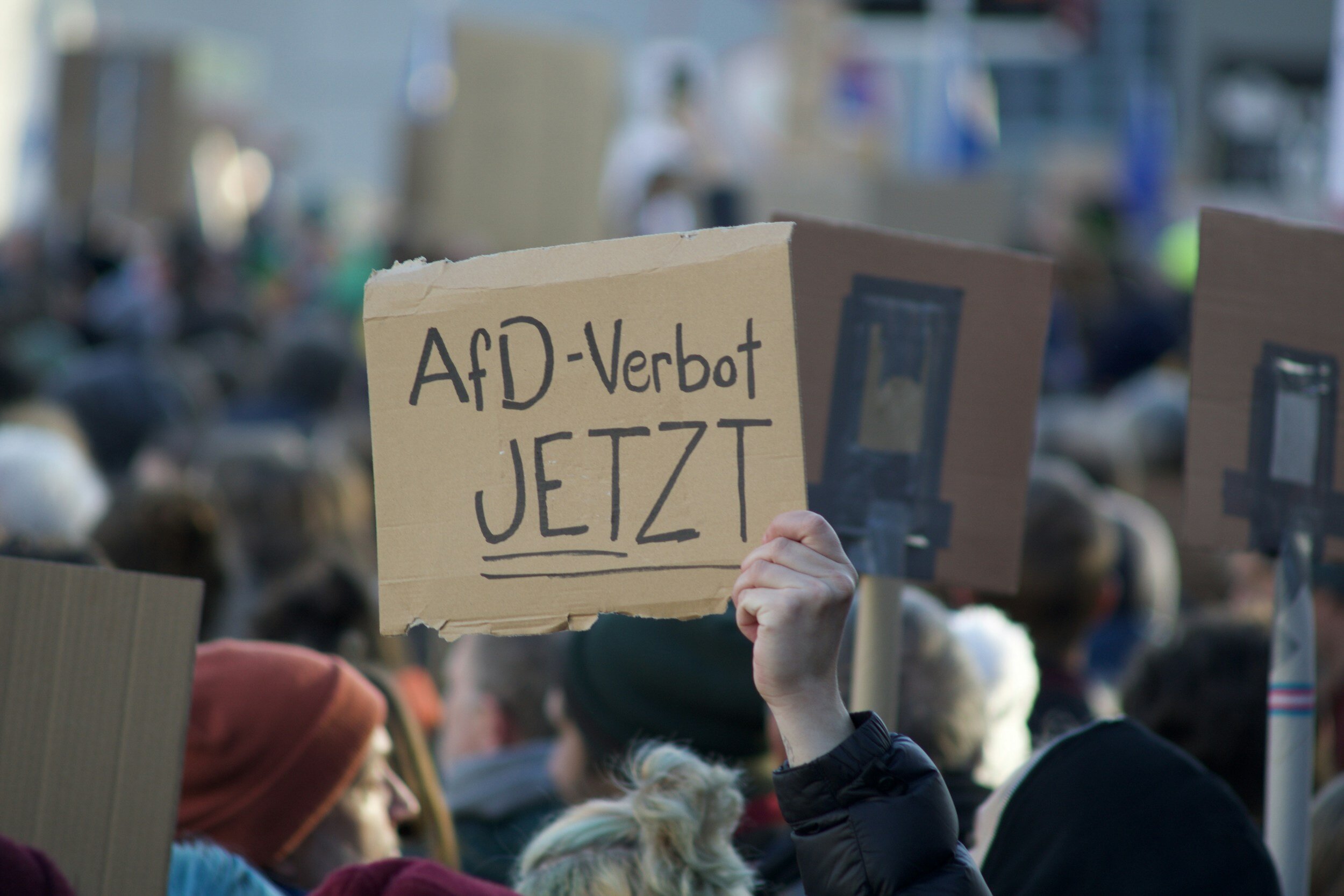
“Critics of populism often fail to realise that the ‘democratic’ system they hold dear has been fundamental in creating and strengthening populist waves, specifically through ignoring the cultural and economic concerns and ambitions of large swathes of the population.
To prevent a populist explosion from eventually engulfing the West, mainstream parties must start to pay attention and understand those whom they have left behind for so long.”

The ‘New Cold War’
This article was written by Felix Ingemarsson, Policy Fellow 23-24, and originally appeared in Modern Diplomacy.
“Despite the phrase ‘A New Cold War’ being used remarkably liberally throughout the decades since the fall of the Soviet Union, most notably in regards to a burgeoning US-China economic rivalry, it is abundantly clear that this degree of supernatural, spiritual, and ever present ideological bipolarity has failed to emerge within our modern political landscape. One can debate whether the world has become safer, less anxious, or more cohesive since the fall of the Soviet Union; we are unquestionably not in the throes of a Cold War sequel.”

From Relief to Radicalism: UNRWA’s Troubled Legacy
This article was written by Samantha Wampold, Policy Fellow 23-24, and originally appeared in the Times of Israel.
“The Israeli government has shed light on another disturbing element of the October 7th massacre. There is now credible evidence documenting UN-employed workers participating in the attacks.”

Addressing the challenges and inconsistencies in British Foreign Policy.
This article was written by Jack Twyman, Policy Fellow 23-24, and originally appeared in Modern Diplomacy.
“Recent events have made clear that threats to the West and their values are more prescient than ever. To combat these, Britain must urgently recognise the need for a more conscious and proactive foreign policy. “

Unravelling Mahmoud Abbas’s Deafening Silence in the Wake of October 7
This article was written by Maximillian Kanter, Policy Fellow 23-24, and originally appeared in The Times of Israel.
“It took Mahmoud Abbas five days to publicly denounce the atrocities of October 7 – and even then, his remarks were wholly anodyne at best. “We reject the practices of killing civilians or abusing them on both sides,” said the Palestinian Authority (PA) President, during a meeting with Jordan’s King Abdullah in Amman. Why the ambiguous and belated response?”

The age of drone terrorism
This article was written by Baran Ayguven, Policy Fellow 23-24, and originally appeared in Reaction.
“To fight against this growing drone terrorism in the Red Sea and to prevent its expansion in the region, western allies need to urgently invest in their relatively inexpensive anti-drone capabilities. For Israel, while the drones don’t seem to pose much of a threat against civilian life and infrastructure at the moment, taking lessons from Ukraine’s experience is important.”

Why the Voice failed
This article was written by Orla Hogan, Policy Fellow 23-24, and originally appeared in The Critic.
“The Australian establishment has been too focused on symbolic gestures rather than practical change”
Israel-Palestine Conflict: The Dangers of Social Media Discourse Regarding October 7th
This article was written by Eleonora Guaschi, Policy Fellow 23-24, and was originally published by the Pinsker Centre.
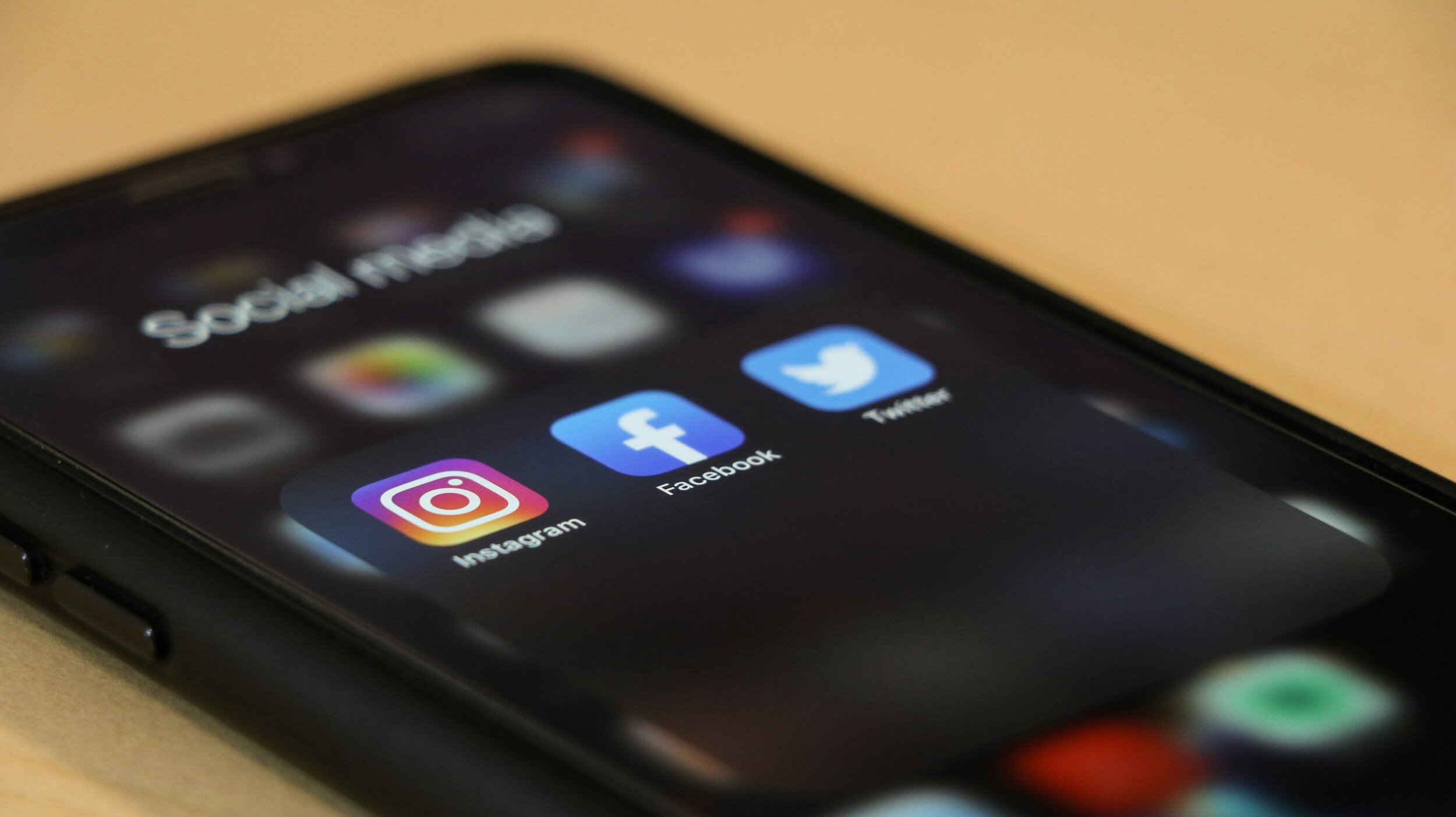
“On the 7th of October, Hamas entered Israel and slaughtered over 1,200 (predominantly civilian) Israelis. As news and disturbing footage of the atrocities flooded social media, so did a peculiar phenomenon. I began to see posts - with tens of thousands of likes - being circulated by people I know personally, claiming that reporting on these events was ‘manufactured propaganda’ and ‘lies’ propelled by Western media. Interrogating this social media discourse leads one to uncover, in part, why this subject has become so profoundly divisive.”
Israel Needs a Grand Strategy for Long Term Peace
This article was written by Baran Ayguven, Policy Fellow 23-24, and originally appeared in The Times of Israel.
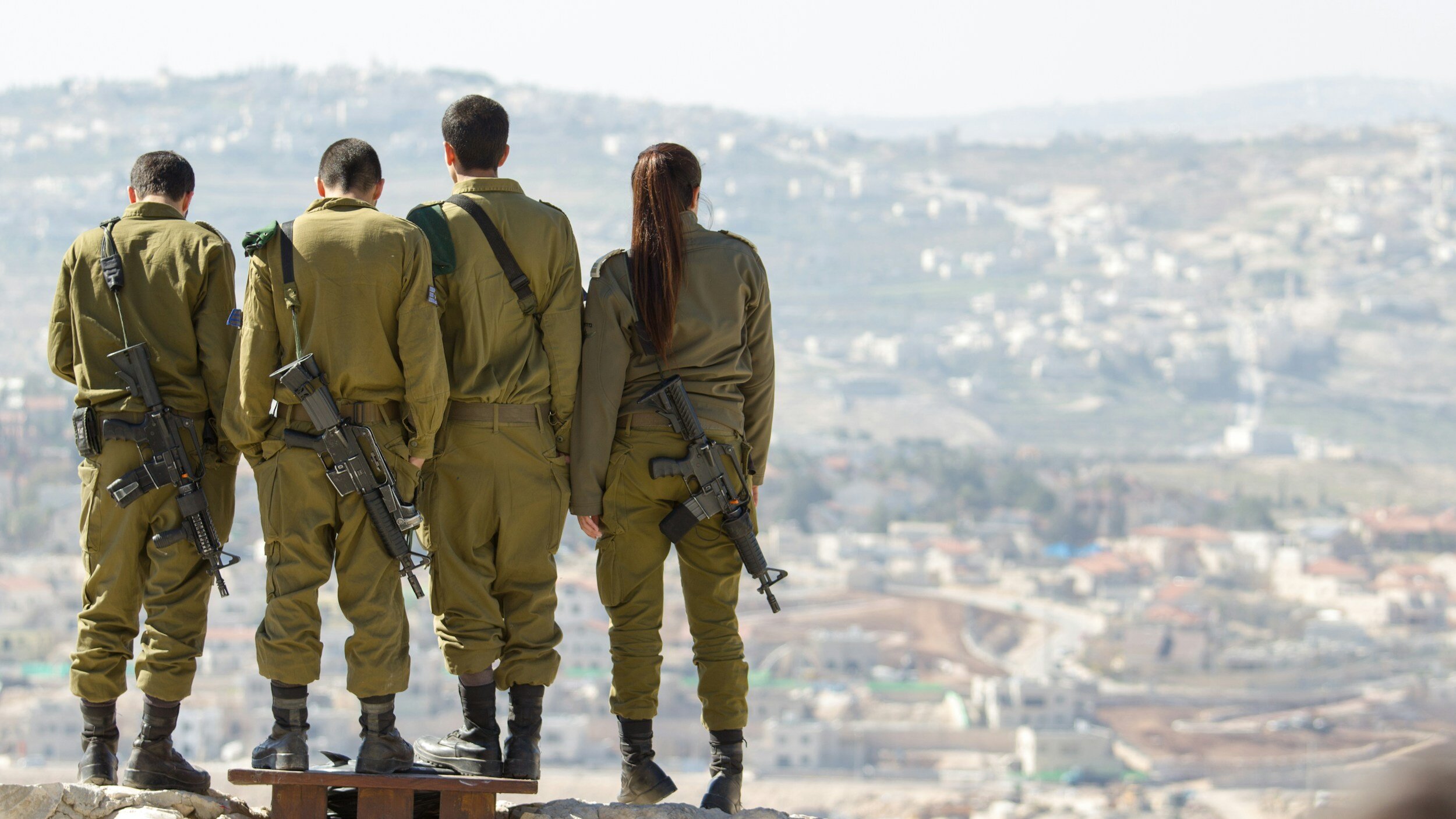
“Shifting the Palestinian public’s focus from revenge to rebuilding is crucial but creating a legitimate alternative government will be difficult. Mahmoud Abbas is a highly dubious candidate and a better option is yet to present itself. A future strategy should involve diplomatic persuasion of Arab states to participate in funding the rebuilding process to reduce overt Israeli influence and to encourage the stability of any new Gazan government.”

Inside Hamas’s Elaborate Terror Tunnel Network
This article was written by Alexander McDermott, Policy Fellow 23-24, and originally appeared in Reaction.
“Of all the operational challenges that IDF forces will face during a ground operation in Gaza, the terror tunnels are perhaps the most difficult to navigate. They will remain Israel’s greatest counter-terrorism headache if IDF intelligence and infantry units cannot successfully destroy the entirety of Hamas’s network. If it is not viable to blow up a 500km-long system of concrete-reinforced, well-equipped passageways, then the IDF must adapt to many onerous months of Close Quarter Battle (CQB) in a totally alien environment. Robots, sniffer dogs, and elite combat engineers from the IDF’s Yahlom unit can bolster Israel’s arsenal for a new kind of combat, but it remains clear that the underground fight against Hamas will be the hardest one.”