Fellowship Archive
This page features an archive of analysis, opinion pieces, and essays by our Policy Fellows. Our archive is updated monthly to respect the exclusivity of the prestigious outlets that publish our Fellows.

Twenty-one years after 7/7, Britain is still failing to confront Islamism
By Yossi Hurst, Policy Fellow 2025-2026. This article originally appeared in The Jerusalem Post.
“Islamism does not begin when the bomb is built, or when the terrorist goes into a synagogue, as on Yom Kippur. It works through individuals turning a foreign issue into intimidation of Jewish people.”

The British Government and NI Assembly Have Failed Northern Irish Women
By Megan Dunlop, Policy Fellow 2025-2026. This article originally appeared in Europinion.
“Until Westminster and Stormont treat femicide with political urgency, nothing will change. Thirty women since 2020. The question is not whether Northern Ireland has a crisis. It is whether anyone in power will ever treat it like one.”
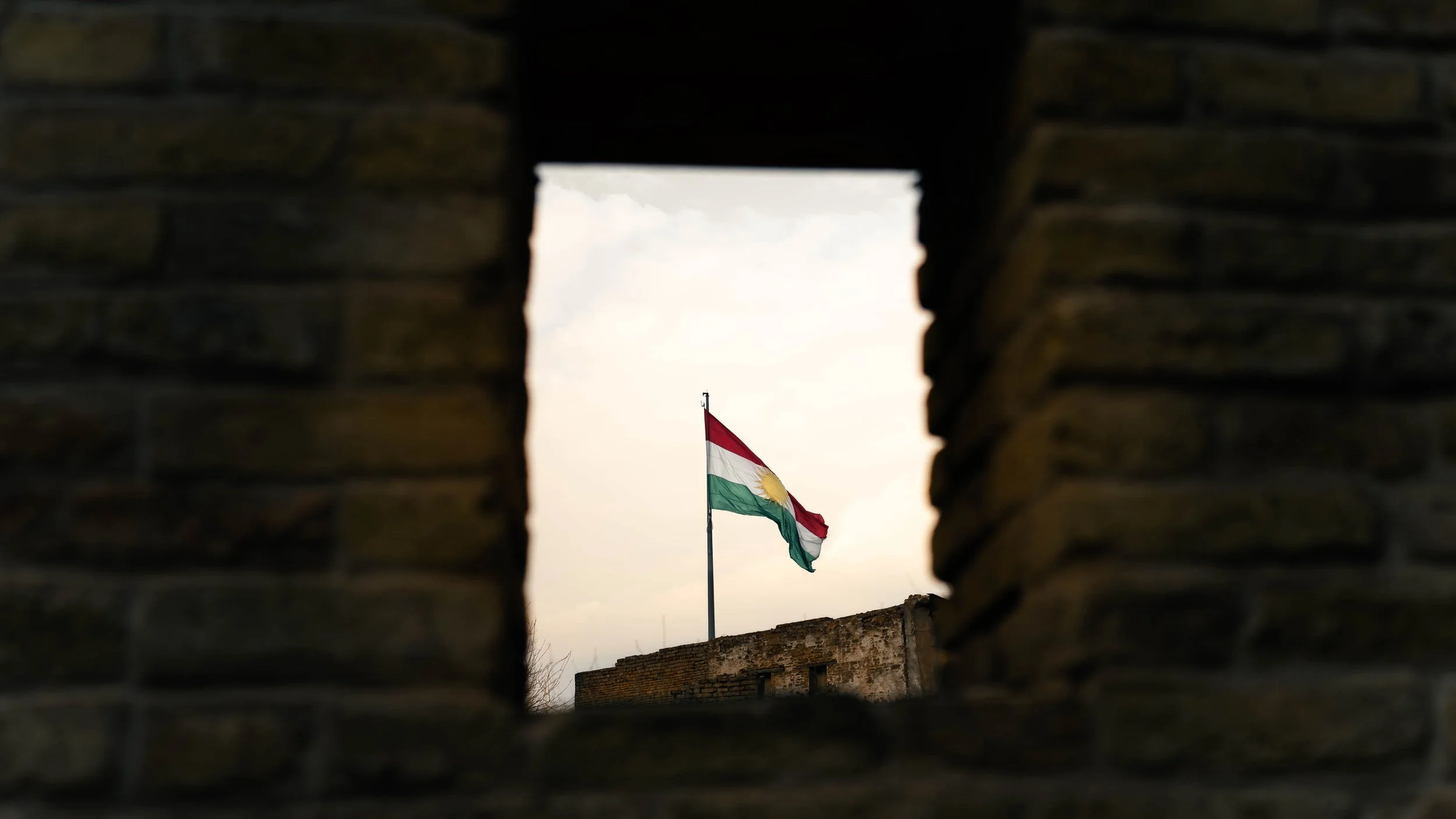
Can Kurdistan follow Israel's lead to become the Middle East's next Start-Up Nation?
By Yossi Hurst, Policy Fellow 2025-2026. This article originally appeared in The Jerusalem Post.
“Israel and the idea of a Start-Up Nation sets a high standard. Kurdistan does not need to copy Israel, but it can learn from its journey from a small and politically uncertain environment to a start-up and tech superpower. The region has the resources, with a young and educated population, some early-stage incubators, growing investment, and a diaspora with skills and capital. The challenge is bringing all of this together into a system that supports founders and attracts investment.”

The False Hope of AI For Warzone Language Needs
By Michal Rahimi, Policy Fellow 2025-2026. This article was originally published by The Foreign Policy Research Institute.
“Undoubtedly, AI outperforms humans in quantity, speed, and cost any day—but not in quality. Instead of investing millions in stop-gap AI solutions, which at present are risk- rather than force-multipliers, the British and American militaries should tackle the issue at its core: a personnel shortage that only personnel can solve. As technology continues to dominate the battlefield, military linguists must remain the exception.”

The EU still can’t do Middle Eastern Foreign Policy
By Yossi Hurst, Policy Fellow 2025-2026. This article originally appeared in The Times of Israel.
“The EU’s recent diplomacy towards Israel has consisted mainly of lectures on international law and proportionality. The failure of Brussels to confront the ongoing obstruction to the Great Sea Interconnector (GSI) project – a strategic energy project to bind Israel, Cypress, and Greece – shows the limits of moral posturing in the Middle East. It is time the EU adopted a serious approach to the region.”
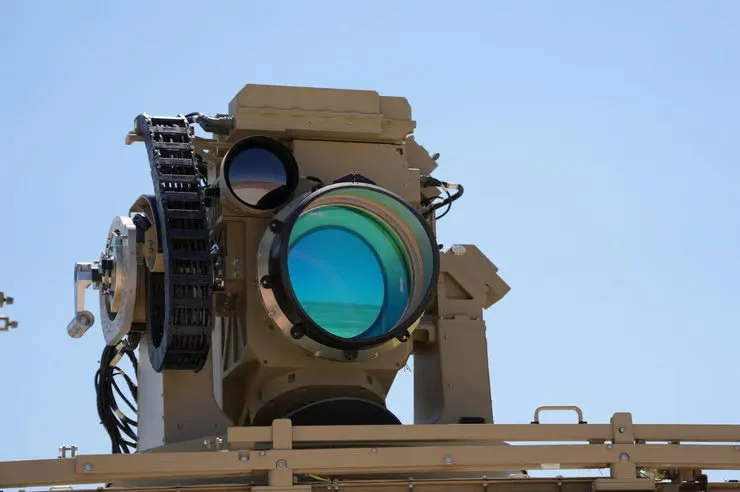
Will Israel’s New Laser Weapon Revolutionize Air Defense?
By Peredur Morgan, Policy Fellow 2025-2026. This article originally appeared in The National Interest.
“The ongoing Iran war will likely prove to be one of this century’s most technologically interesting wars… the war may also be remembered as the first war in which another, less-talked about technological innovation was used, which could prove to revolutionize the battlefield: Israel’s new Iron Beam, an air defense system built on lasers.”

Has the Gulf’s Security Illusion Been Shattered?
By Oliver Dawson, Policy Fellow 2025-2026. This article originally appeared in RealClearWorld.
“In recent months, residents in Dubai’s Marina and Palm Jumeirah stood on their balconies filming missile interceptions overhead. These striking videos show one of the Gulf’s most valuable assets puncturing in real time: the perception that cities like Doha and Dubai are sanctuaries insulated from the instability of the wider region.”

Trump has broken an integral rule of US foreign policy, and it feels like no one has noticed
By Amar Singh Bhandal, Policy Fellow 2025-2026. This article originally appeared in LBC.
“The administration that struck Iranian nuclear sites in February did not do so expecting to spend the following decade managing Iran's reconstruction, drawn into the forever wars that plagued its predecessors. That expectation has been altogether removed from the architecture. Trump is happy to break without buying.”
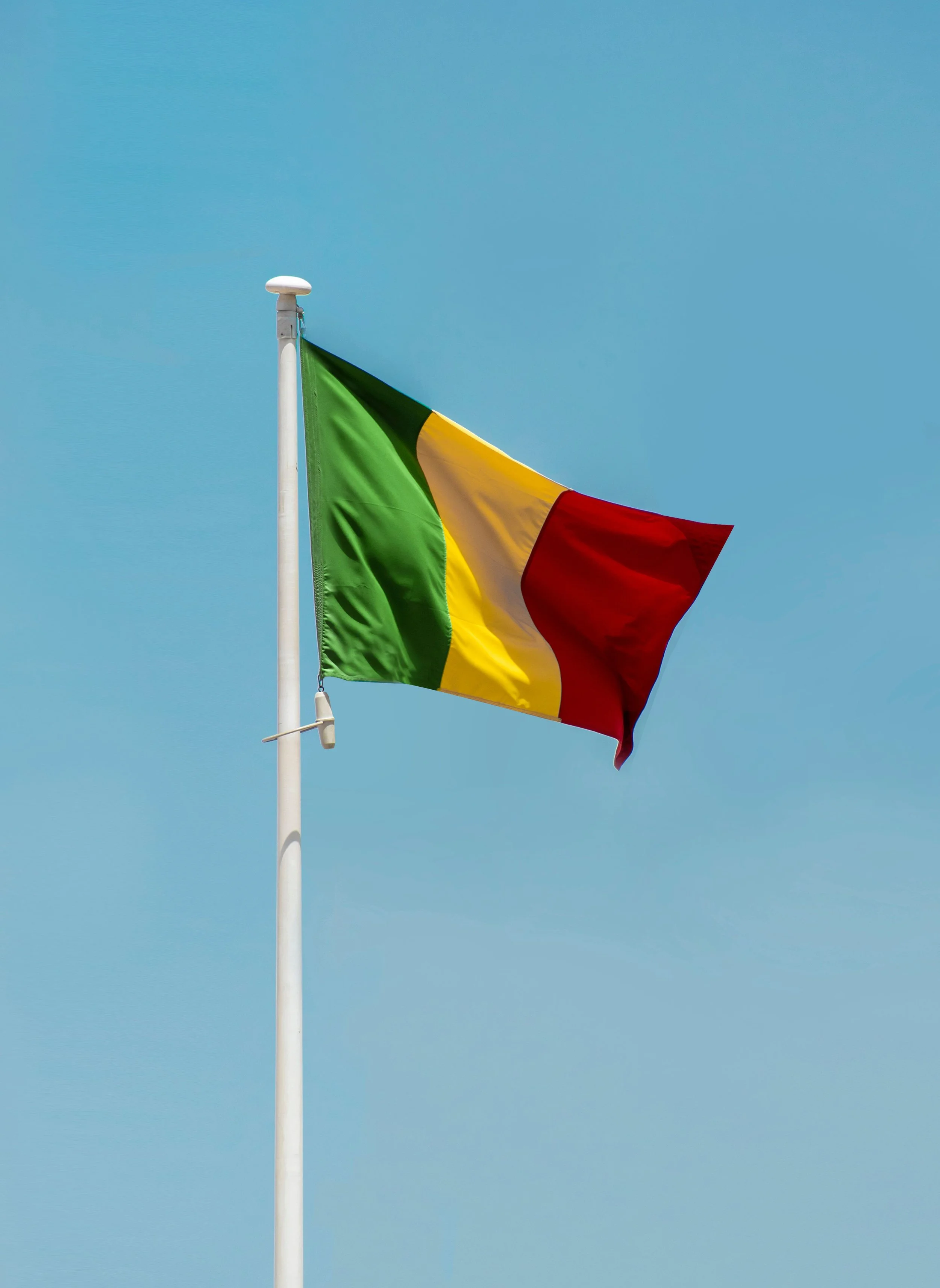
Russia is losing its grip on africa
By Amar Singh Bhandal, Policy Fellow 2025-2026. This article originally appeared in The Spectator.
“The question is no longer whether Africa Corps can hold Mali together – the answer to that is a resounding ‘no’. It is how Russia will answer the question it has sought urgently to avoid: will Moscow recommit to its security structures across the region with the scale and seriousness the situation demands or will it watch its Sahelian clients collapse in sequence?”

The UK Is Coming to Its Senses About the Chagos Islands
By Daniel Vollborth, Policy Fellow 2025-2026. This article originally appeared in The National Interest.
“On matters of national security, the United Kingdom and the United States must meet their adversaries on similar terms and appreciate that the apparent constraints of international law are playing a diminishing role in shaping the region.”
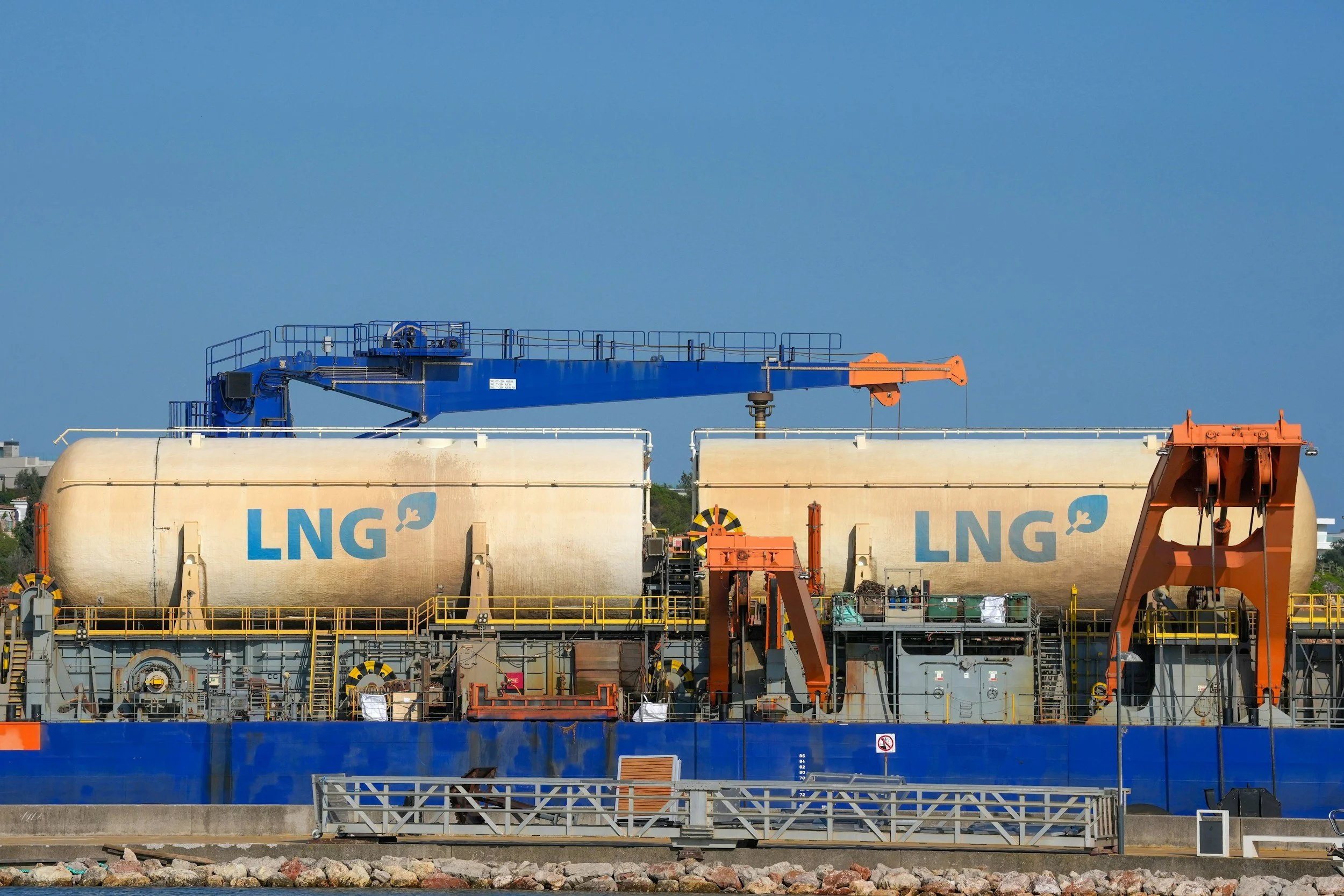
Policing Africa: The Price of Mozambique’s LNG Peace
By Peredur Morgan, Policy Fellow 2025-2026. This article originally appeared in Modern Diplomacy.
“As uncertainty looms over the security of the largest Liquefied Natural Gas (LNG) private operation in Africa, the West should continue to pay the Rwandan military to maintain stability in northern Mozambique.”
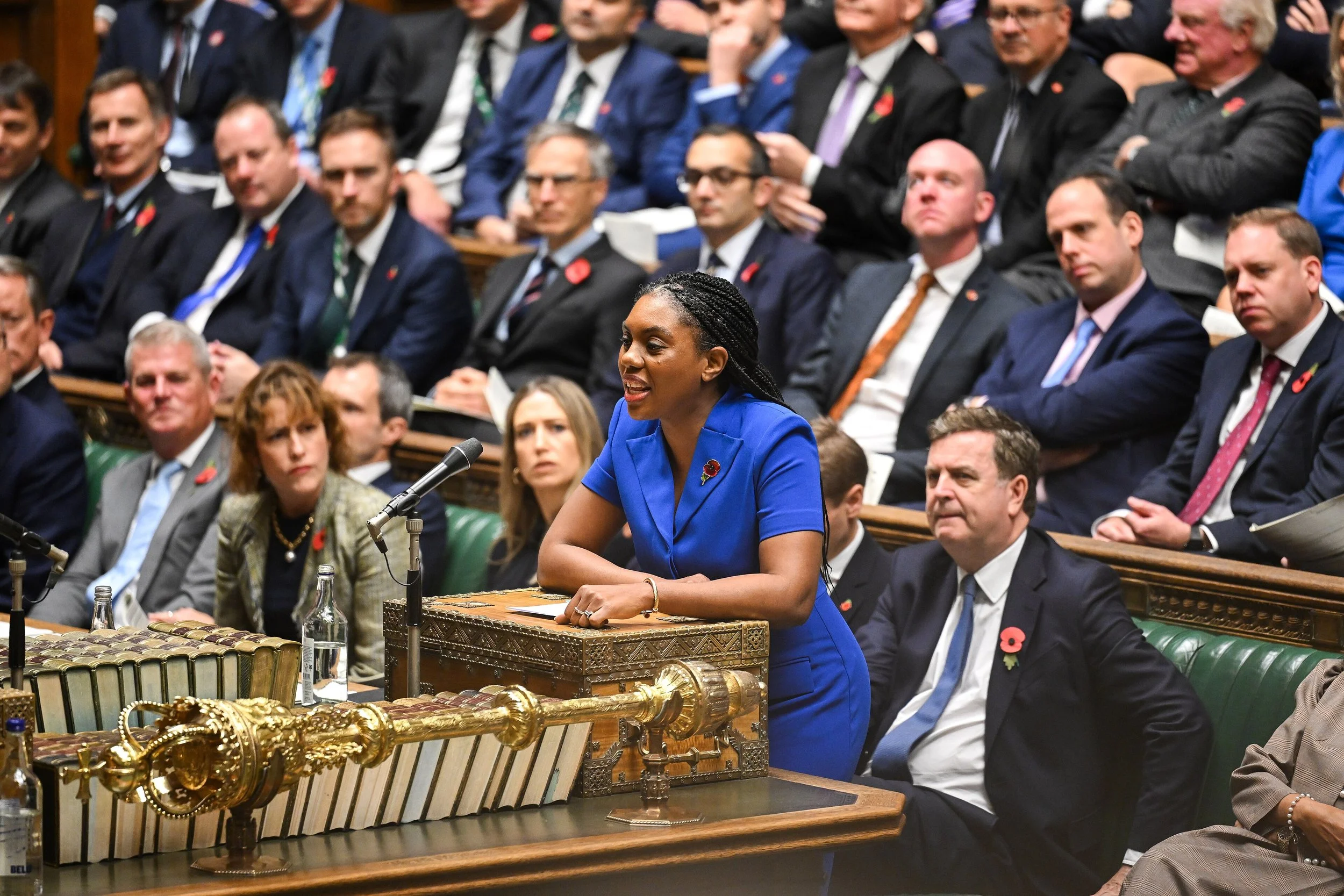
Reform’s efforts for credibility offer the Conservatives opportunities
By Daniel Vollborth, Policy Fellow 2025-2026. This article originally appeared in ConservativeHome.
“Reform has begun the difficult task of building credibility as a party able to govern. This transition brings increased scrutiny, and offers the Conservative Party an opportunity to seize back the initiative, and make a renewed case to voters.”

Georgia’s Betrayal: Why the West Won’t Show Up
By Hari-Reilly Singh Policy Fellow 2025-2026. This article originally appeared in Modern Diplomacy.
“In making amends for its shame in 2008, NATO and the EU should step up and provide meaningful support for those who wish for a better future for their country. If they fail, a new iron curtain will be raised across the Caucasus, leaving the Georgian people alone and powerless. That would be yet another disgrace.”
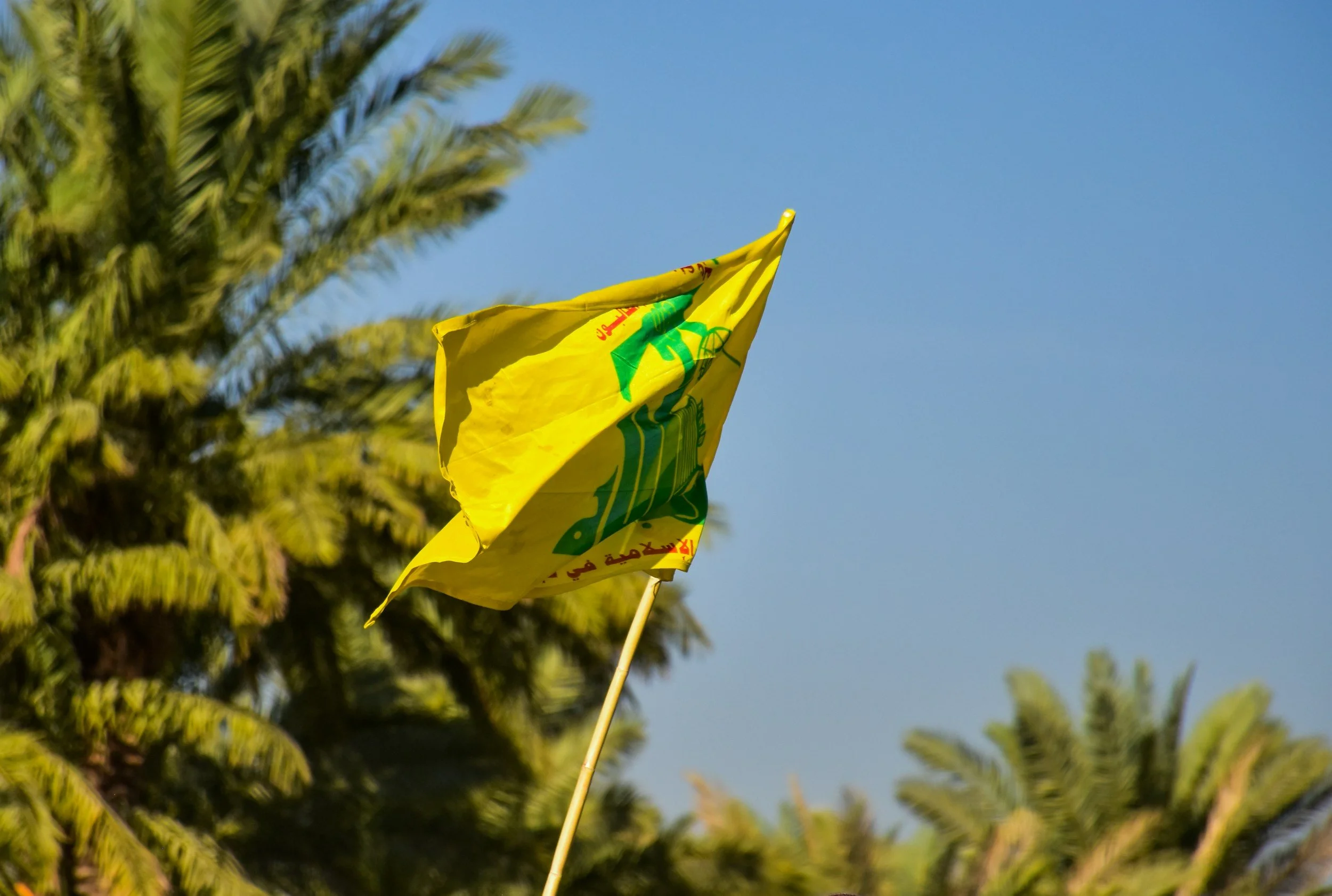
Israel, US cannot miss the chance to disarm Hezbollah
By Yossi Hurst, Policy Fellow 2025-2026. This article originally appeared in the Jerusalem Post
“The May 2026 parliamentary elections serve as a deadline. If Hezbollah and its allies perform well, disarmament may stop. There is not a long window, therefore, and continued Israeli strikes further undermine the authority and legitimacy of the Lebanese government, that is supposed to be on equal footing to Israel and the US in this disarmament project.”
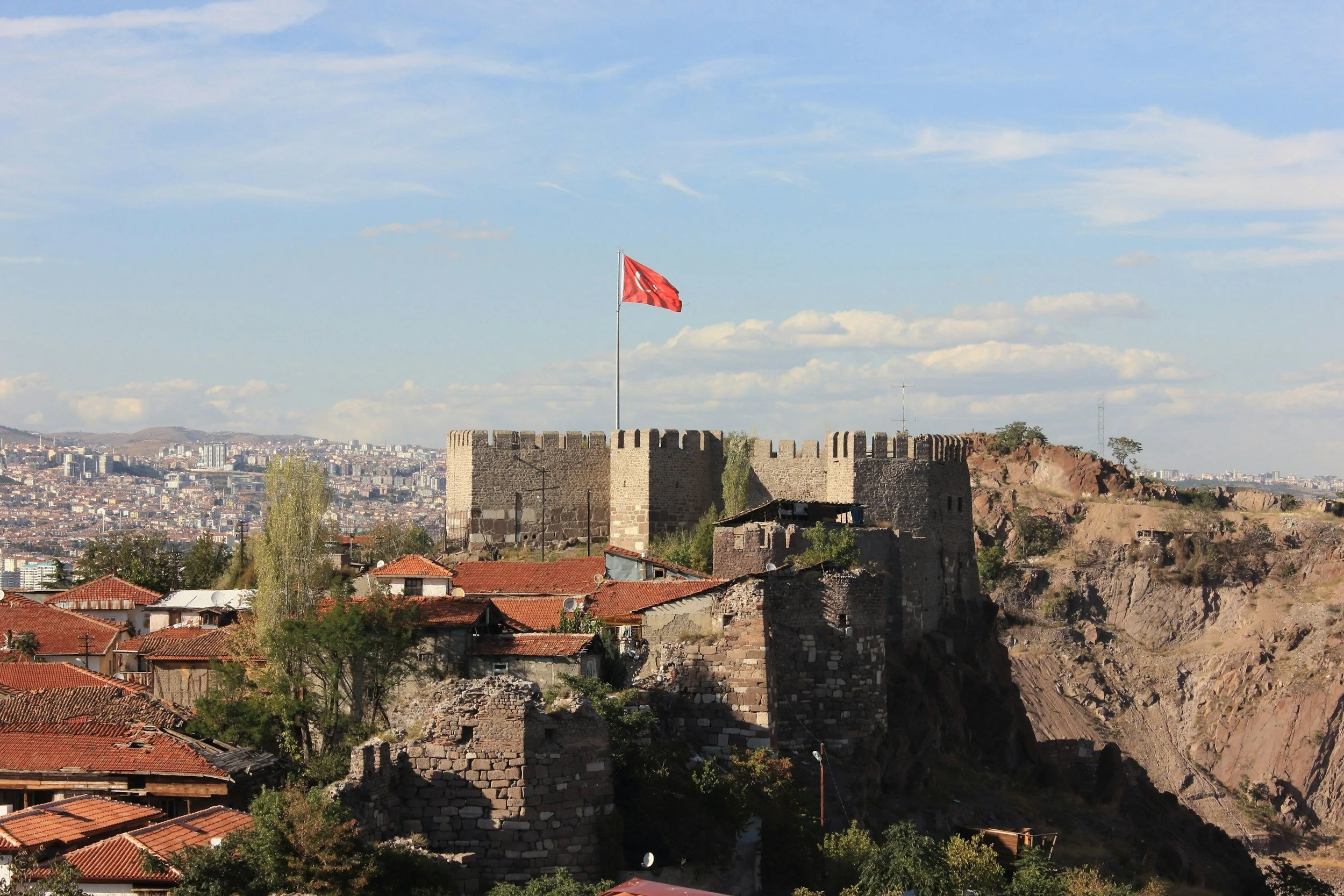
How Turkey Made Itself Too Useful to Ignore
By Oliver Dawson, Policy Fellow 2025-26. This article originally appeared in RealClear World.
“In spite of all the Middle East’s recent volatility, one thing remains clear: Turkey continues to try positioning itself as the region’s indispensable hinge – a state too useful for Washington, Tehran, or Riyadh to ignore. In a world defined by shifting alliances, collapsing regimes, and non-state actors, Ankara is carving out a role nestled in the art of adaptability.”
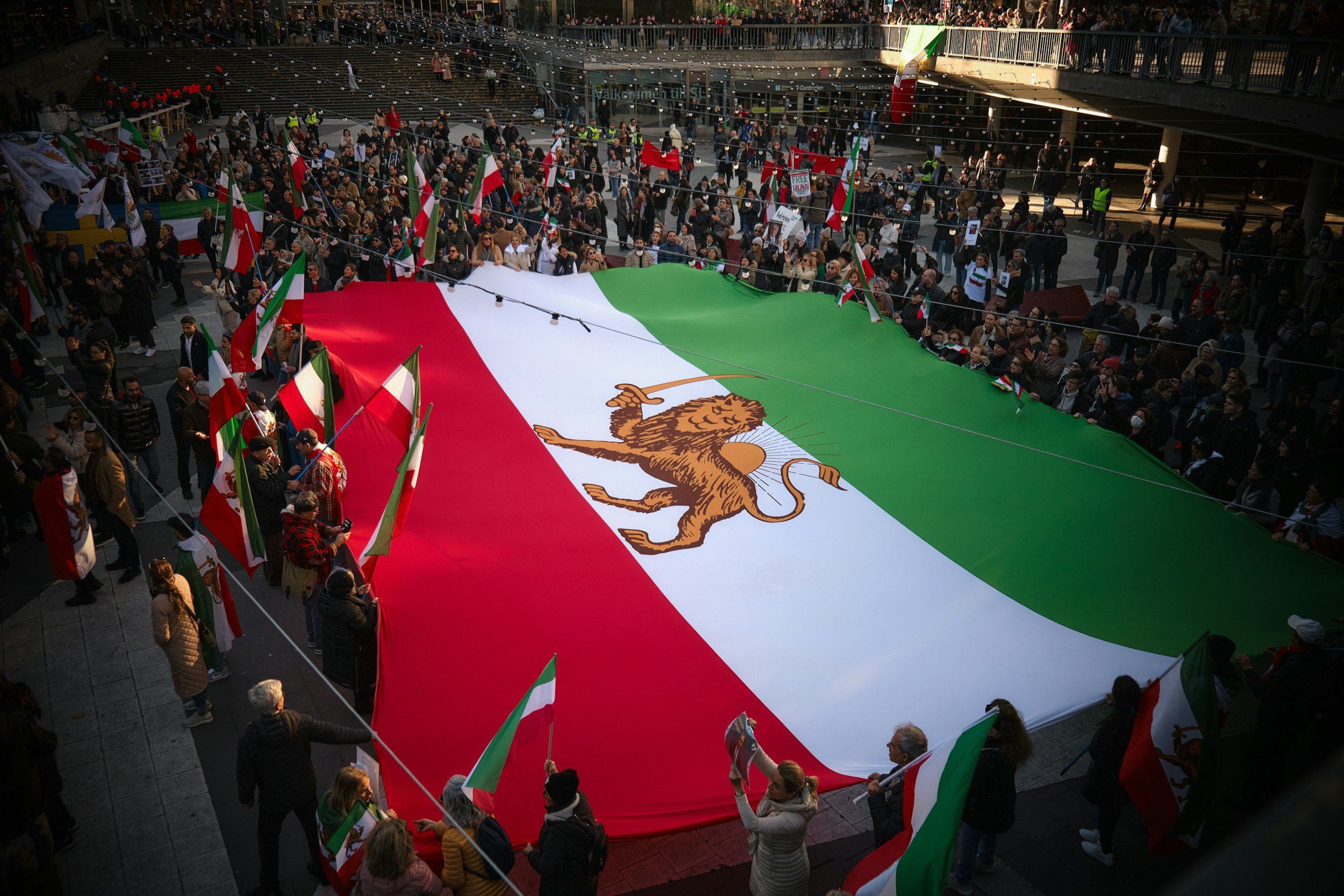
The people of Iran need democracy
By Samuel Field, Policy Fellow 2025-26. This article originally appeared in The Times of Israel.
“Democracy as a form of governance is viewed as ‘the norm’, in the western world. Our ability to speak freely without persecution and practice religion as we wish is something many individuals take for granted. When, like we have seen in Iran in recent months, people are forced to fight and die for these basic rights, we should be all the more appreciative of our privilege.”
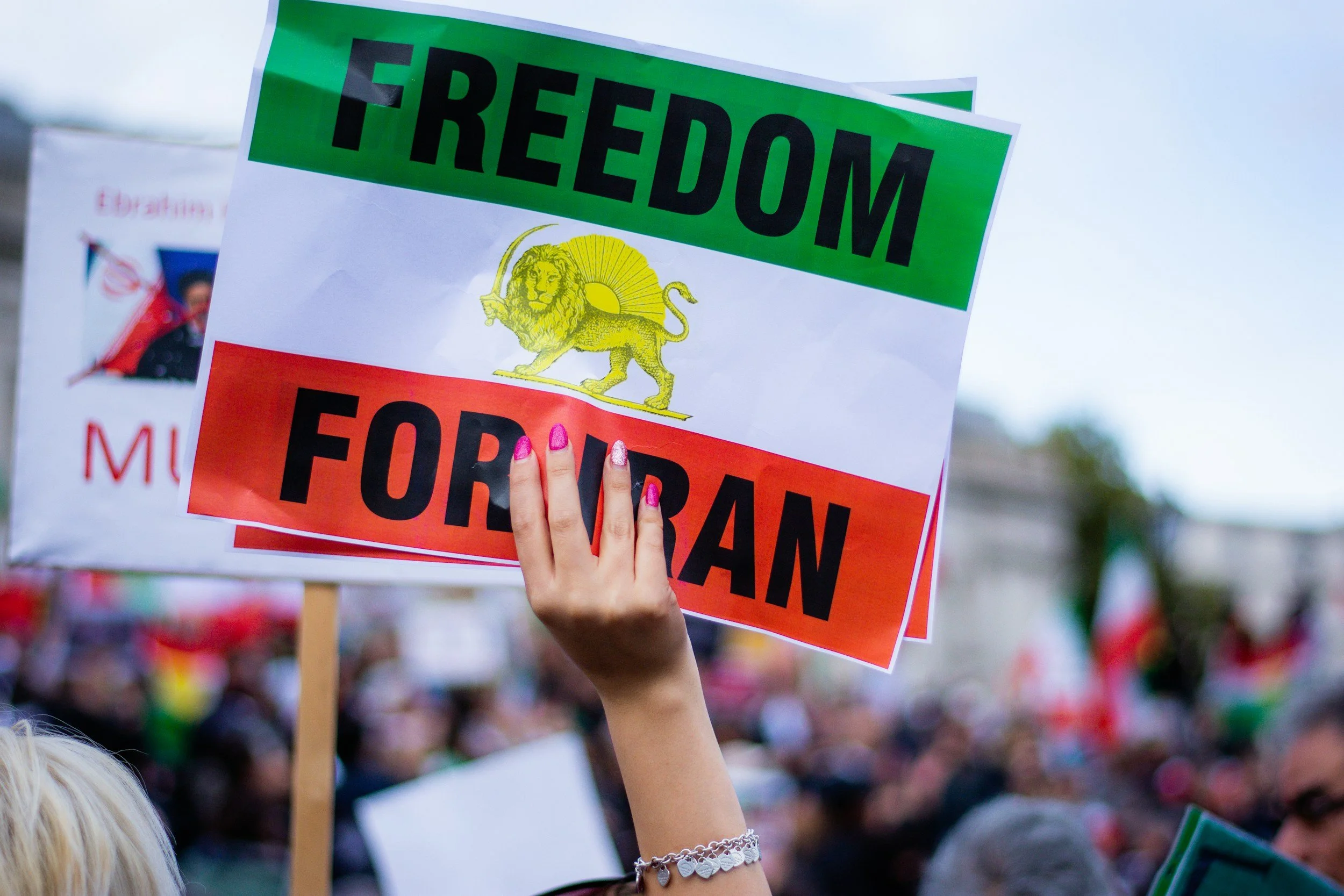
What Iran Reveals About Selective Activism
By Daniella Spoto, Policy Fellow 2025-26. This article originally appeared in DC Journal.
“The uprising in Iran has exposed the limits of Western solidarity. It is clear that sympathy for Gazans living under siege and the murder of tens of thousands of protesters in Iran is perceived to be mutually exclusive.”
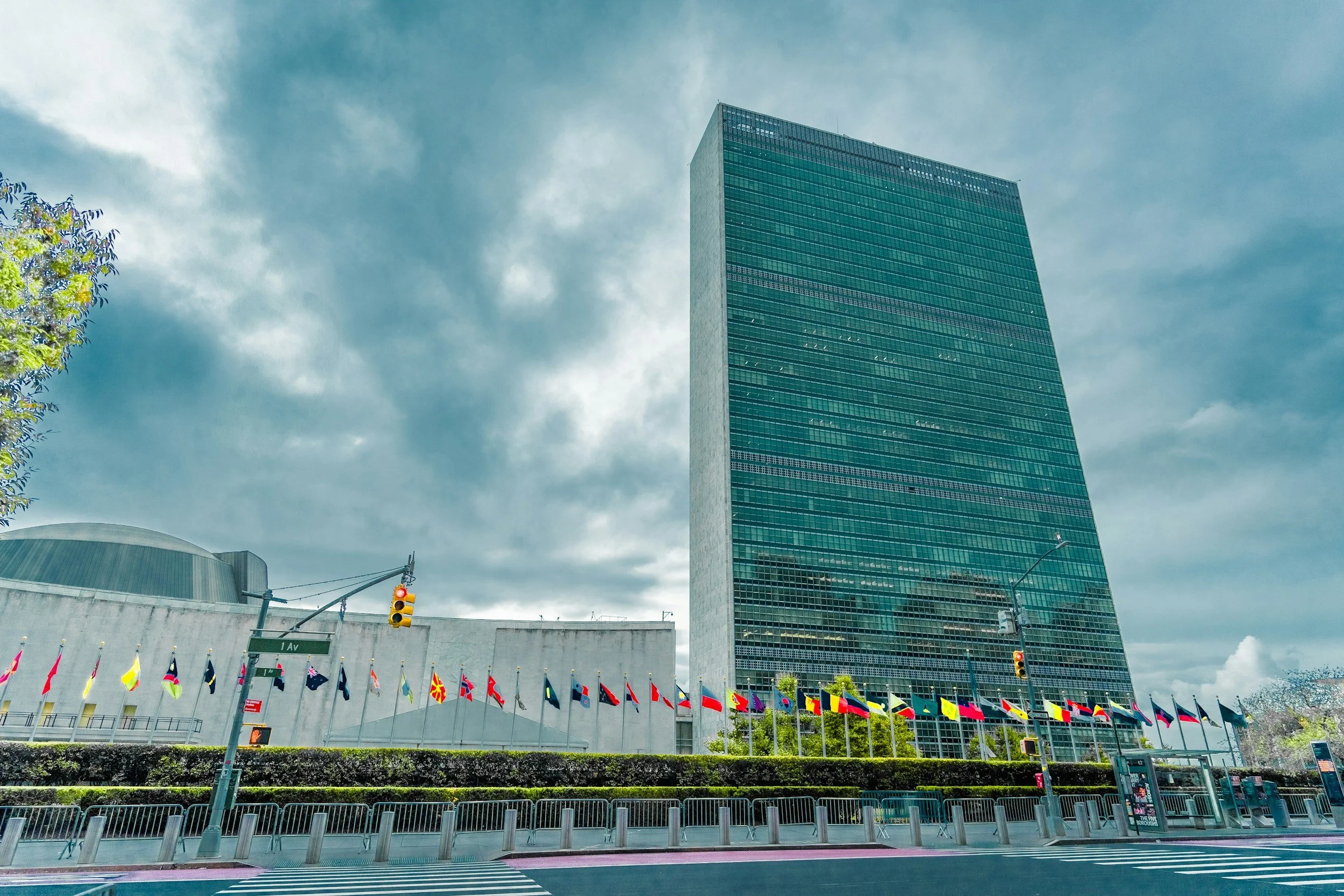
United Nations: Language shapes gender equality negotiations
By Michal Rahimi, Policy Fellow 2025-26. This article originally appeared in The Jerusalem Post.
“It’s 4:30 a.m. and in a windowless chamber at United Nations Headquarters, dozens of delegates erupt into applause. Over weeks of closed-door negotiations, countries have dueled over “may” becoming “must” until nightfall. But, as the photo-op of exhausted faces signals, it’s over – at least for the 2022 session of the Commission on the Status of Women. That is, until next year.”
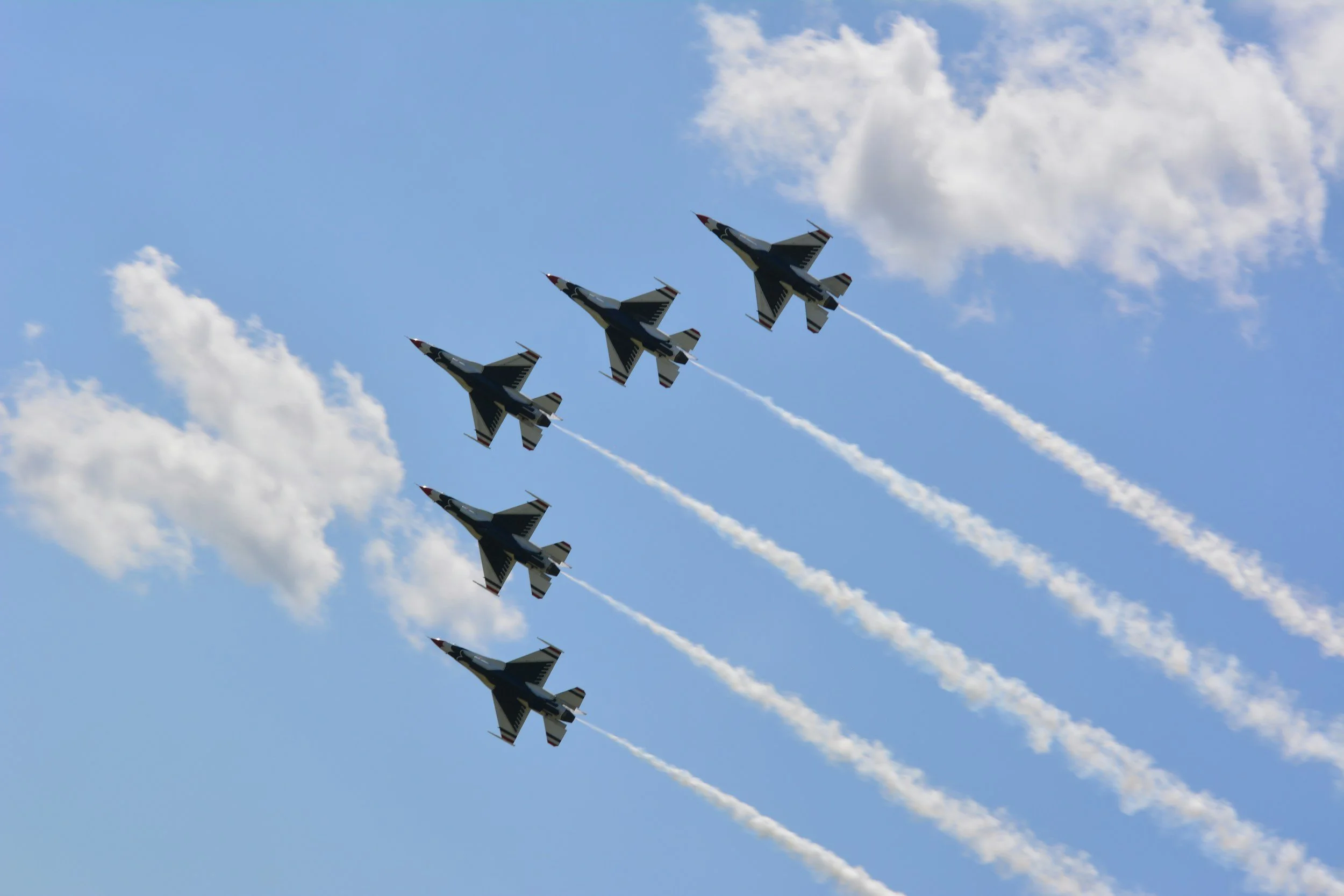
Europe must call Russia’s bluff; it is time for a No-Fly Zone over Ukraine
By Hari Reilly-Singh, Policy Fellow 2025-26. This article originally appeared in LBC.
“Europe can either permit the unjust and barbarous Russian aerial terror over Ukraine, or call Russia’s bluff and enforce a limited, defensive No-Fly Zone (NFZ) to protect civilians, uphold European security, and shape the conditions for a just peace.”
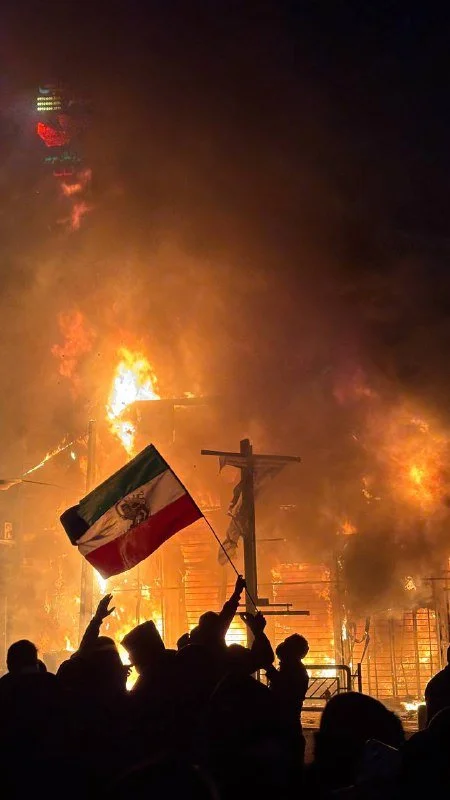
No longer whispering: Iranians’ protest slogans reveal a nation in turmoil
By Michal Rahimi, Policy Fellow 2025-26. This article originally appeared in The Times of Israel.
“Iran is witnessing its largest wave of protests since the 1979 Islamic Revolution. Yet beyond their scale, it’s the language featured by protestors that truly breaks new ground.”